Navigating School Board Relations in Rural Districts
Dr. Will Darter
Rural School Superintendent & Author
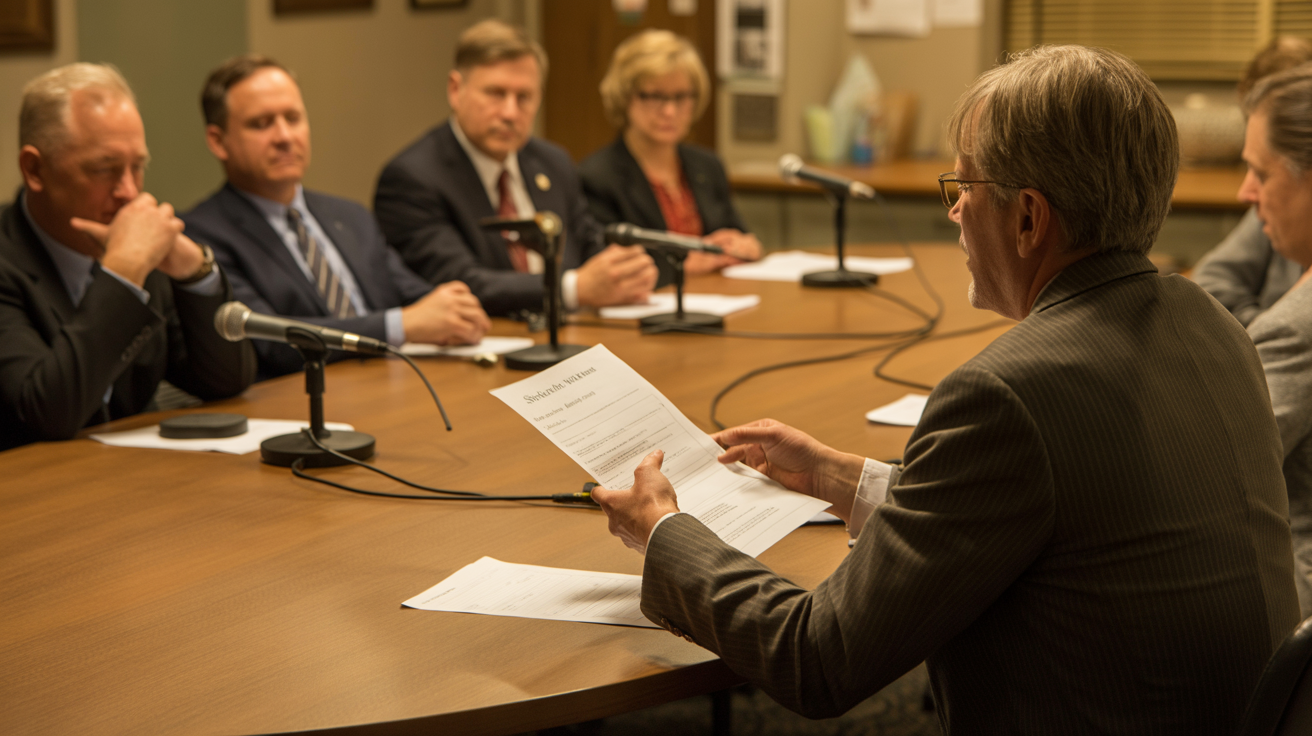
In most urban and suburban districts, school board members are political figures who campaigned on platforms and represent constituencies. In rural districts, board members are the parents of your students, the owners of local businesses, and the people you see at the grocery store every Saturday morning.
This personal dimension makes rural board relations both more rewarding and more complex. The R.U.R.A.L. framework's focus on Responsive Board and Community Relations—detailed in The Empowered Rural Education Leader—provides a structured approach to navigating these dynamics.
Understanding Rural Board Dynamics
Rural board members often serve not because they sought political office, but because someone asked them to step up. They may have limited experience with governance, but they bring deep knowledge of the community and genuine concern for local children.
In my conversation with Justin Pickens, we discussed how the superintendent-board relationship in rural districts requires a fundamentally different approach than what most leadership programs teach.
Strategies for Productive Board Relationships
1. Communicate Before They Have to Ask
Nothing erodes trust faster than a board member hearing about a school issue from a community member before hearing it from you. Establish a regular communication rhythm—brief weekly updates, even when there is nothing dramatic to report.
2. Educate Without Condescending
Board training is essential, but it must be delivered with respect for what members already know. Frame professional development as "exploring together" rather than "teaching them."
3. Separate the Role From the Person
When a board member challenges a recommendation, remind yourself that they are exercising their governance role—not attacking you personally.
4. Address Conflicts Early and Directly
Small town dynamics mean that unresolved conflicts do not dissipate—they amplify. Address tension in private, respectful conversations before it becomes a public issue.
"Great board relations in rural districts are built on over-communication, mutual respect, and the understanding that you are all neighbors first." — Dr. Will Darter
For more strategies on board governance, visit Rural Education Leaders and explore the resources available there.
Want the complete framework?
Get “The Empowered Rural Education Leader” for the full guide to transforming your school's leadership.