Creating a Thriving Staff Culture in Small Schools
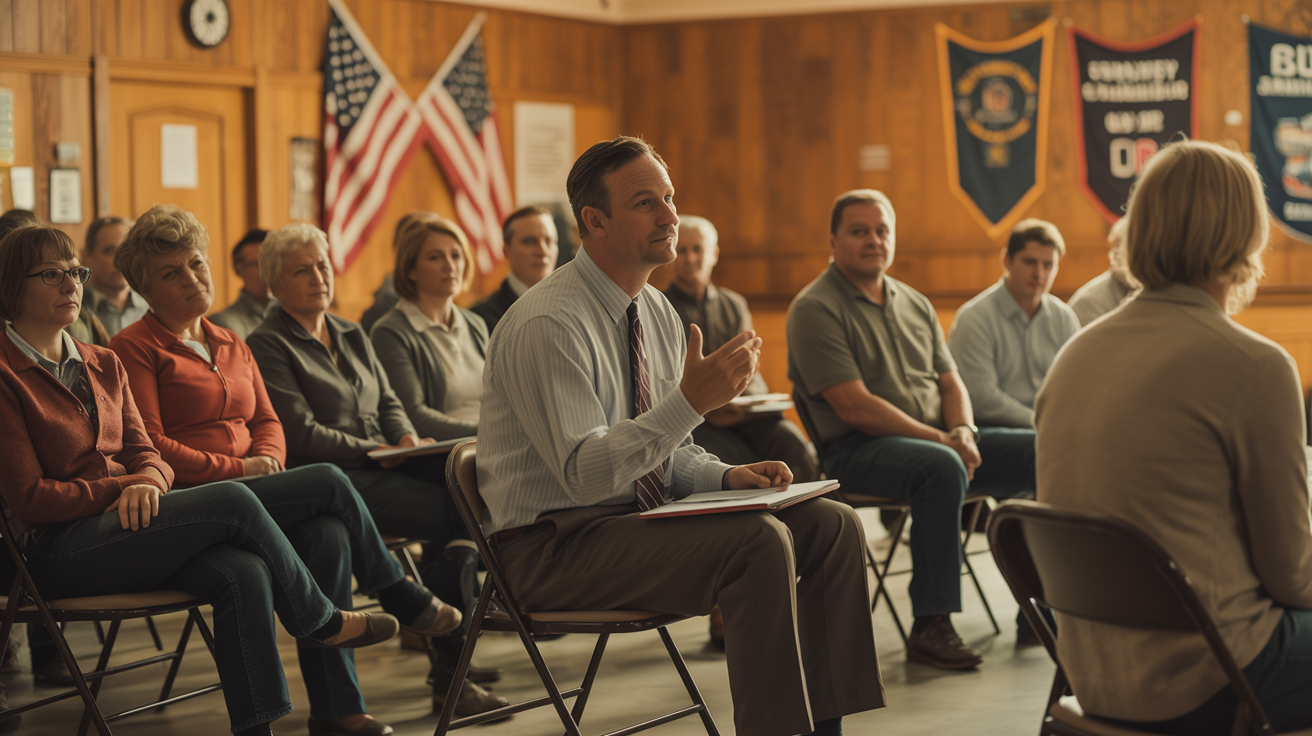
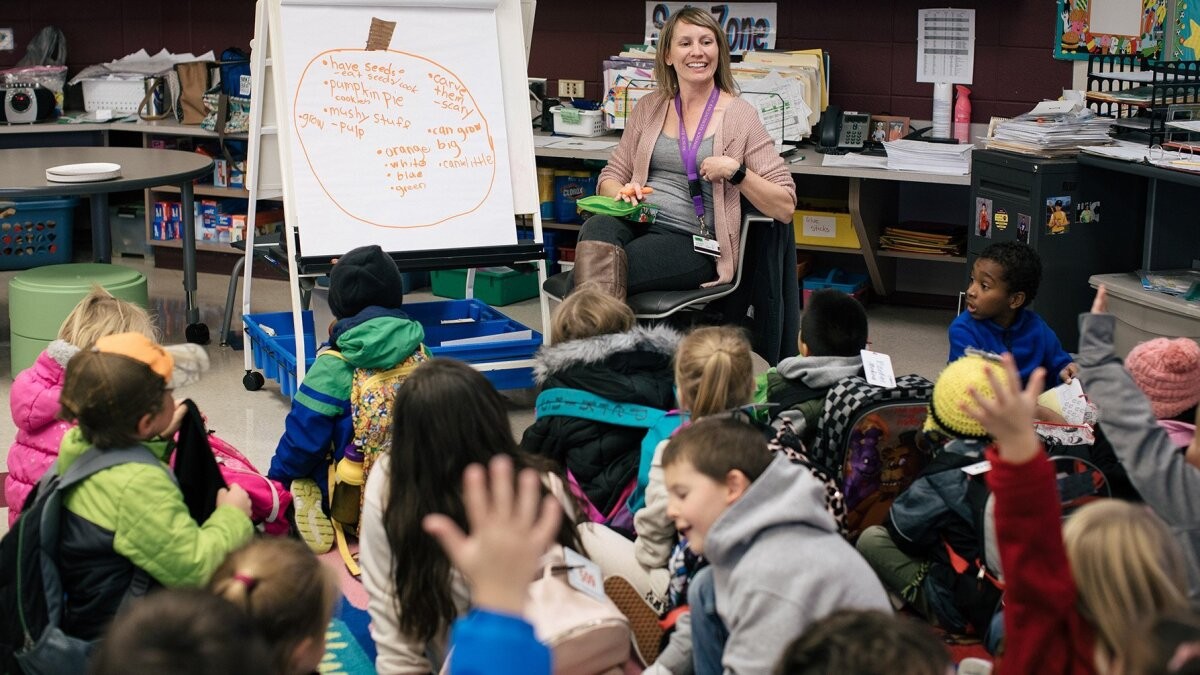
Small school teams wear many hats. Here is how to build a culture of trust, collaboration, and purpose that keeps educators energized and committed.
Insights, strategies, and stories for rural education leaders. Practical guidance on leading small schools to success.

How rural education leaders can bring together parents, staff, and community members to create a unified vision that drives student success and school improvement.

Small school teams wear many hats. Here is how to build a culture of trust, collaboration, and purpose that keeps educators energized and committed.

Rural superintendents often carry the weight of an entire community on their shoulders. Learn evidence-based strategies for maintaining your well-being while leading effectively.

Board dynamics in rural districts are uniquely personal. Discover how to build productive relationships with board members who are also your neighbors.

Rural schools often do more with less. Explore creative strategies for maximizing student outcomes when budgets are tight and staffing is lean.

Remote work is enabling families to live anywhere. Rural schools that position themselves as community assets could see enrollment growth for the first time in decades.

Rural schools serve nearly 10 million students across America. Understanding rural education is essential for anyone who cares about the future of public schooling.

Rural education stands at a crossroads. The decisions we make today will determine whether small schools survive, thrive, or disappear from the American landscape.

The teacher shortage hits rural districts hardest. Discover proven strategies for attracting and keeping great educators in small school communities.

When help is 30 minutes away, rural schools must be their own first responders. Here is how to build safety plans that account for geographic isolation.

How rural schools can leverage technology to expand opportunities without losing the personal connections that make small schools special.

When bus routes cover hundreds of miles each day, transportation becomes one of the largest budget items and most complex logistical challenges in rural education.

When state funding formulas fall short, rural leaders must get creative. Here are proven approaches to securing the resources your students deserve.

Rural communities are rich with learning opportunities. Place-based education connects students to their local environment, culture, and economy in powerful ways.

Forget the PTA model designed for suburban schools. Rural parent engagement requires a fundamentally different approach rooted in community culture.

Rural communities value tradition and stability. Here is how to introduce meaningful change without alienating the people you need most.

When enrollment declines and budgets tighten, consolidation feels inevitable. But there are proven alternatives that preserve community schools.

Rural students face unique mental health challenges with fewer resources available. Learn how school leaders can build support systems that actually reach students in need.

Limited rosters, tight budgets, and multi-sport athletes define extracurriculars in small schools. Here is how to build programs that build character and community.

Rural schools have a built-in advantage when it comes to SEL. The relationships and community connections already in place are exactly what social-emotional learning requires.

CTE programs connect classroom learning to real-world careers and can be the defining feature that makes a rural school indispensable to its community.

Rural voices are underrepresented in education policy. Here is how school leaders can effectively advocate for policies that serve small school communities.

Dual credit and dual enrollment programs are game-changers for rural students. Here is how small schools can build partnerships that expand college access.

You do not need a data department to make informed decisions. Here is how rural leaders can use the data they already have to drive meaningful improvement.

Multi-grade classrooms are a reality in many rural schools. With the right approach, they can be an advantage rather than a limitation.

Your first year as a rural principal will test everything you learned in graduate school. Here is the real-world advice nobody taught you.

Your school is more than a building—it is a brand. A strong identity attracts families, retains staff, and builds community pride that sustains your school for generations.

A new superintendency is a fresh start and a high-stakes moment. Here is how to navigate your first 100 days in a rural district with intention and wisdom.

The most successful rural schools do not operate in isolation. They thrive through deep partnerships with businesses, nonprofits, and civic organizations.
Get the full guide to empowered rural education leadership in the book.

Buy the Book on Amazon