Making Extracurriculars Work in Small Schools
Dr. Will Darter
Rural School Superintendent & Author
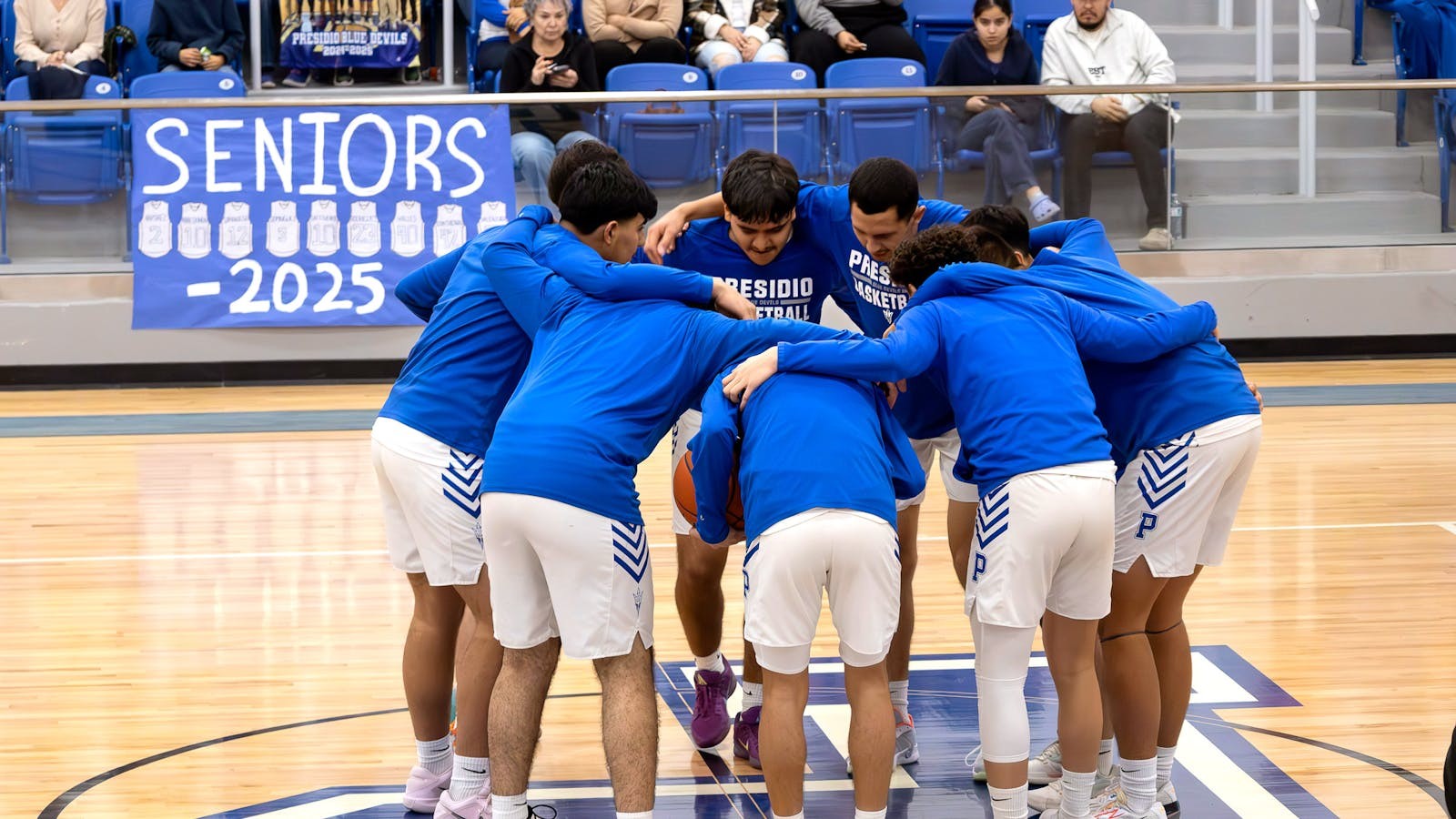
In a rural school, the same student might play football in the fall, basketball in the winter, run track in the spring, and perform in the school play somewhere in between. There are no JV teams, no cuts, and no specialization. Every kid who wants to participate, can—and usually must, because the team needs them.
This reality creates both challenges and opportunities. When handled well, small school extracurricular programs produce remarkably well-rounded, resilient young people. The key is intentional design by leaders who understand the unique dynamics at play, a topic I address in The Empowered Rural Education Leader.
The Small School Advantage
Every Student Matters
When you only have 15 kids in the freshman class, every single one of them has a role to play in the life of the school. This creates a sense of belonging and purpose that large schools spend millions trying to manufacture.
Multi-Activity Participation
Research consistently shows that students who participate in multiple activities develop broader skill sets, better time management, and stronger school connections than single-sport specialists.
Community Unification
Friday night football, the annual play, the FFA banquet—these events bring the entire community together. In rural America, the school is the community's entertainment, its social hub, and its source of pride.
Strategies for Success
Coordinate Schedules Collaboratively
When the same students are in everything, coaches and sponsors must communicate constantly. Create a master calendar that prevents conflicts and builds recovery time into student schedules. In my conversation with Justin Pickens, we discussed how small school athletic directors can manage the overlapping demands.
Prioritize Student Wellbeing Over Winning
It is tempting to push multi-sport athletes to their limits. Resist this. Monitor workloads, watch for burnout, and remember that student health comes before trophies.
Leverage Community Volunteers
Not every activity needs a paid sponsor. Community members with expertise in art, music, coding, or outdoor skills can lead clubs and enrichment activities. A retired carpenter teaching a woodworking club costs nothing but enriches students immeasurably.
Think Beyond Traditional Sports
Not every student is an athlete. Build opportunities in academic competitions, creative arts, agriculture programs, community service clubs, and emerging areas like esports and robotics.
"In a small school, extracurriculars are not extras—they are the threads that weave the school community together." — Dr. Will Darter
Explore more resources for building vibrant rural schools at Rural Education Leaders.
Want the complete framework?
Get “The Empowered Rural Education Leader” for the full guide to transforming your school's leadership.