Thriving in the Multi-Grade Classroom: Strategies for Rural Teachers
Dr. Will Darter
Rural School Superintendent & Author
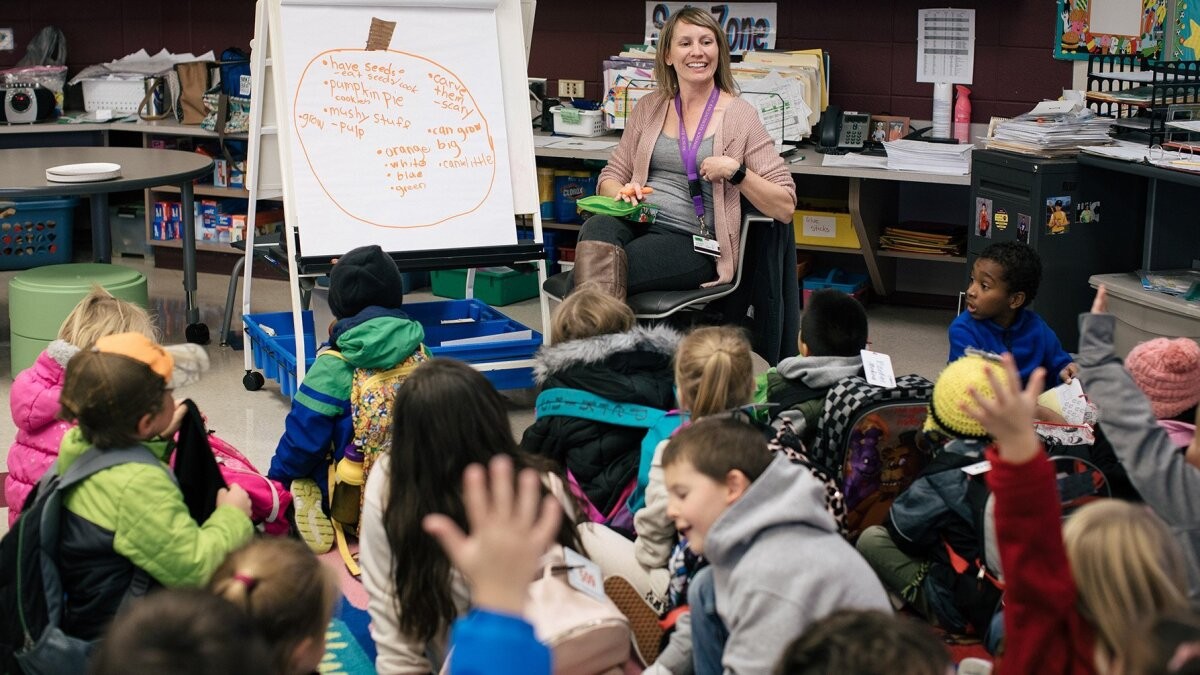
In many rural schools, combining grade levels in a single classroom is not a choice—it is a necessity. When you have twelve students across three grade levels, hiring a separate teacher for each grade is financially impossible. But multi-grade classrooms, done well, can actually produce exceptional learning experiences.
The key is shifting our mindset from seeing multi-grade instruction as a limitation to recognizing it as an opportunity. This kind of reframing is at the heart of The Empowered Rural Education Leader.
The Hidden Benefits of Multi-Grade Classrooms
Natural Differentiation
When students of different ages and abilities share a classroom, differentiated instruction is not an add-on—it is the operating system. Teachers develop expertise in meeting diverse needs simultaneously.
Peer Learning and Mentorship
Older students naturally mentor younger ones. This peer teaching benefits both parties: younger students get accessible support, and older students deepen their understanding by teaching.
Multi-Year Relationships
When students stay with the same teacher for multiple years, the relationship deepens and transition time is eliminated. The teacher knows exactly where each student left off and can hit the ground running.
Independence and Self-Direction
Multi-grade students learn to work independently while the teacher is focused on another group. This self-direction is a life skill that serves them well beyond school.
Practical Strategies
Anchor Activities and Learning Stations
Design activities that students can work on independently or in small groups while you provide direct instruction to another group. Rotation-based station models keep all students engaged simultaneously. In my conversation with Justin Pickens, we discussed practical classroom structures that work in multi-grade settings.
Spiral Curriculum Design
Plan curriculum on a two or three-year cycle so that combined students cover all essential content without repetition. Align units thematically across grade levels when possible.
Leverage Technology for Individualized Practice
Adaptive learning software can provide individualized practice at each student's level while the teacher works with small groups.
Build a Classroom Community
Multi-grade classrooms work best when students feel like a family rather than separate grades sharing a room. Build a shared identity, common rituals, and a culture of mutual support.
"The multi-grade classroom is not a sign of a school's weakness—it is a testament to rural education's creativity and resilience." — Dr. Will Darter
Find more strategies for rural school excellence at Rural Education Leaders.
Want the complete framework?
Get “The Empowered Rural Education Leader” for the full guide to transforming your school's leadership.