Place-Based Learning: Using Your Community as a Classroom
Dr. Will Darter
Rural School Superintendent & Author
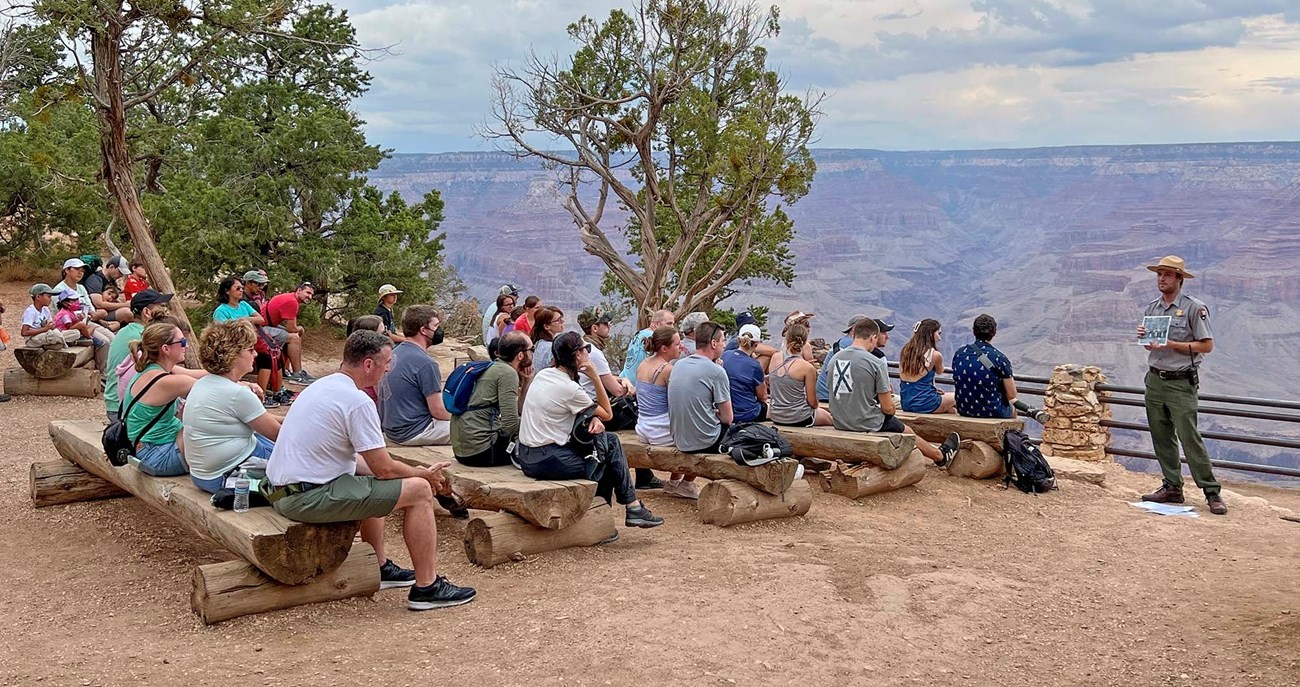
Place-based education is built on a simple but powerful idea: the best classroom is the community itself. For rural schools surrounded by farms, forests, rivers, and small businesses, this approach transforms the perceived isolation of rural life into an extraordinary educational advantage.
When students study water quality in the creek behind the school, interview elders about local history, or analyze the economics of the family farm, learning becomes vivid, relevant, and deeply meaningful. This philosophy of leveraging place is woven throughout The Empowered Rural Education Leader.
What Place-Based Learning Looks Like
Environmental Science in the Field
Instead of reading about ecosystems in a textbook, students study the actual ecosystem around them. Stream monitoring, soil analysis, wildlife surveys, and weather data collection turn the landscape into a living laboratory.
Local History and Culture
Every rural community has stories worth telling. Students can research and document local history, interview community members, create oral history archives, and connect their findings to broader historical themes.
Economics and Entrepreneurship
Rural economies are complex and fascinating. Students can analyze commodity markets, study small business operations, explore agricultural technology, and develop business plans for local ventures. In my conversation with Justin Pickens, we discussed how place-based entrepreneurship programs are giving rural students a head start.
Civic Engagement
Place-based learning naturally leads to civic engagement. When students study local water quality and discover pollution, they become advocates. When they document community needs, they become problem-solvers.
Benefits of Place-Based Education
- Increased student engagement and motivation through relevant, authentic learning
- Stronger community connections as students interact with local experts and organizations
- Deeper understanding of academic content through applied, experiential learning
- Community pride as students see their home place as worthy of study and care
- College and career readiness through real-world skill application
Getting Started
Start Small
You do not need to redesign your entire curriculum. Begin with a single unit in one subject area that connects to the local community. Expand as teachers build confidence and community partnerships develop.
Engage Community Experts
Farmers, business owners, healthcare workers, elected officials, and retirees are all potential teaching partners. Most are honored to be asked and eager to share their expertise.
Align With Standards
Place-based learning is not a replacement for academic standards—it is a vehicle for achieving them. Map community-based projects to your state standards so the learning is both meaningful and accountable.
"Rural students do not need to leave their communities to find worthy learning. The classroom is right outside the door." — Dr. Will Darter
Discover more innovative approaches to rural education at Rural Education Leaders.
Want the complete framework?
Get “The Empowered Rural Education Leader” for the full guide to transforming your school's leadership.