Technology Integration in Rural Classrooms: Bridging the Digital Divide
Dr. Will Darter
Rural School Superintendent & Author
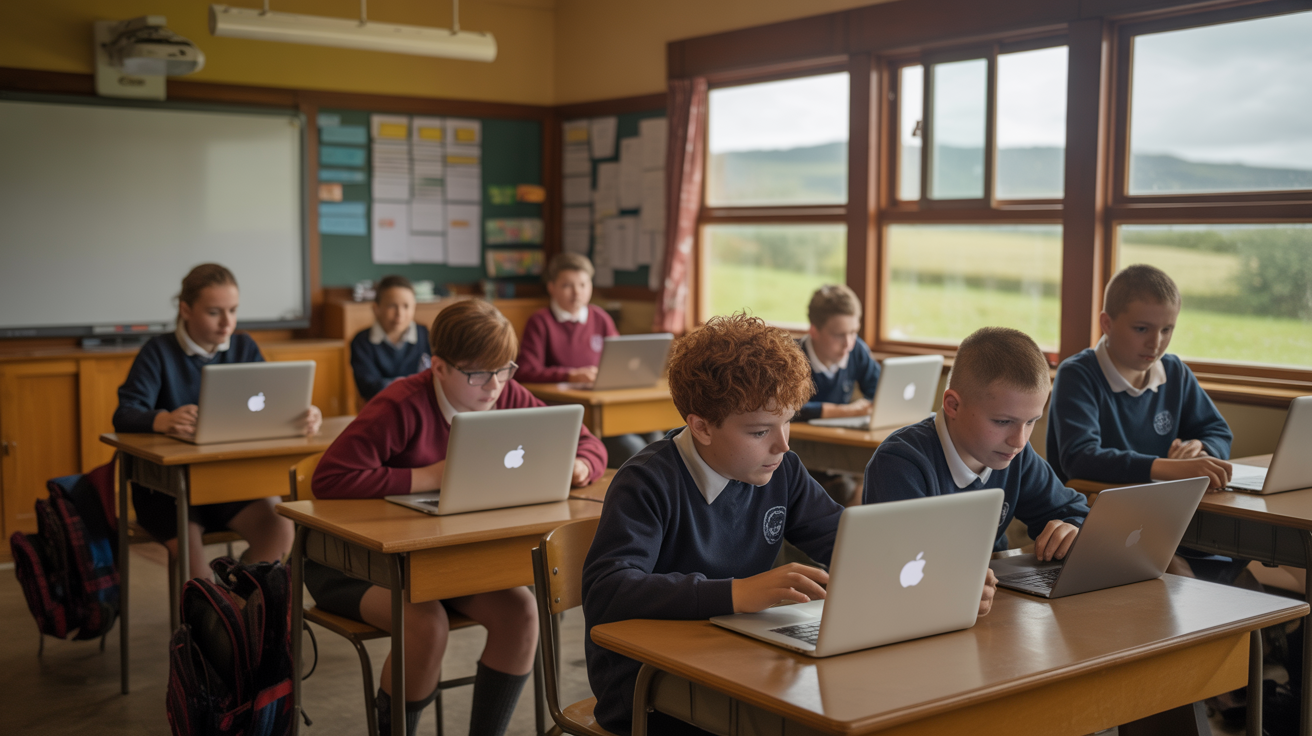
The digital divide is not just about bandwidth—though connectivity remains a real barrier in many rural communities. The deeper challenge is integrating technology in ways that enhance rather than replace the personal relationships that are the hallmark of small school education.
Rural schools that get technology right use it as a bridge to opportunity while preserving the human connections that make them special. This balance is something I explore in The Empowered Rural Education Leader.
The Connectivity Challenge
Before we talk about integration, we need to acknowledge the infrastructure reality. Many rural students still lack reliable internet access at home. Any technology strategy must account for this equity gap.
Practical Solutions
- Extend school Wi-Fi to parking lots and bus loops so families can access internet after hours
- Loan hotspot devices to families without home internet
- Design assignments that can be downloaded and completed offline
- Partner with local libraries and businesses to create community Wi-Fi zones
Technology That Expands Rural Opportunity
Virtual Course Offerings
When your school cannot staff an AP Physics or Mandarin class, virtual learning fills the gap. Partner with state virtual schools, neighboring districts, or university programs to offer courses your building cannot support alone. I discussed creative solutions like this in my conversation with Justin Pickens.
Telepresence and Expert Connections
Technology can bring the world into a rural classroom. Virtual field trips, guest speakers via video conference, and global collaboration projects give rural students experiences that geography alone would deny them.
Blended Learning Models
Rather than replacing teachers with screens, the best rural technology integration uses blended models—where technology handles content delivery and practice, freeing teachers for the small-group instruction and mentoring they do best.
Keep the Human Connection Central
Technology should amplify what rural schools already do well. The goal is never to make a small school feel like a big one—it is to give small school students every opportunity while maintaining the relationships and community that make rural education powerful.
"Technology in rural schools should open doors, not replace the people who hold them open." — Dr. Will Darter
For more on leading innovation in rural settings, visit Rural Education Leaders.
Want the complete framework?
Get “The Empowered Rural Education Leader” for the full guide to transforming your school's leadership.