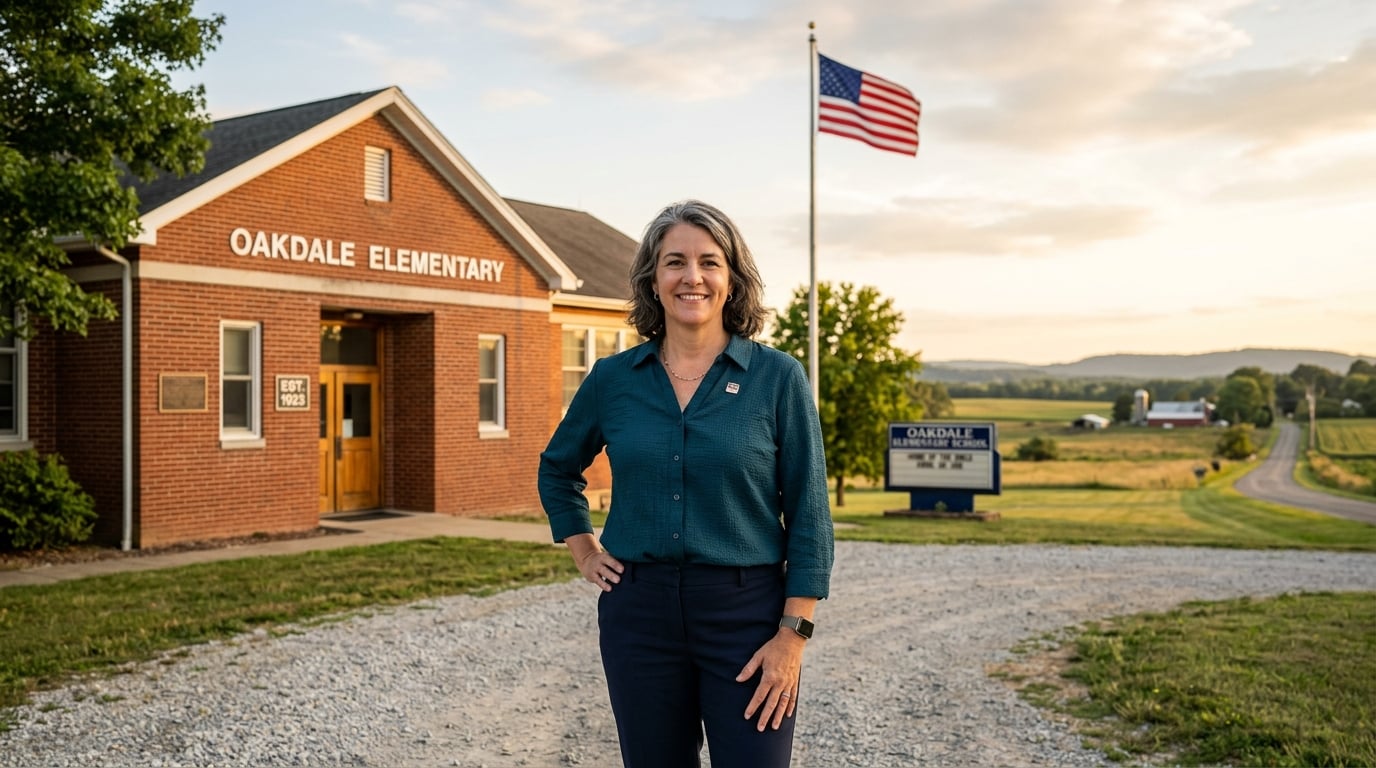
The Rural Superintendent Entry Plan: Your First 100 Days
Dr. Will Darter
Rural School Superintendent & Author

The first 100 days of a rural superintendency set the tone for your entire tenure. Move too fast, and you alienate the community. Move too slowly, and people wonder why they hired you. The art is in finding the right pace—and that requires a deliberate entry plan.
I developed the approach outlined here through my own experience and through conversations with dozens of rural superintendents across the country. The full framework is available in The Empowered Rural Education Leader.
Phase 1: Listen and Learn (Days 1-30)
Meet Everyone Who Matters
Schedule one-on-one meetings with every board member, administrator, and department head. But do not stop there. Meet the head custodian, the lead bus driver, the school secretary who has been there for 25 years. In rural districts, informal leaders are often more influential than titled ones.
Conduct a Community Listening Tour
Visit local businesses, attend community events, stop by the senior center and the fire station. Ask one question everywhere you go: "What do you want people to know about our school?"
Study the Budget and Data
Understand the district's financial health, enrollment trends, staffing patterns, and academic data before you make any commitments. In my conversation with Justin Pickens, we discussed how financial literacy in the first weeks prevents costly mistakes later.
Phase 2: Build Relationships (Days 31-60)
Establish Communication Rhythms
Start a weekly superintendent update for staff. Begin regular social media posting. Attend every school event you can. Your visibility communicates that you are invested and present.
Identify Quick Wins
Find two or three small, visible improvements you can make without controversy. Fix the broken sign. Repaint the front entrance. Start a student recognition program. Quick wins build momentum and credibility.
Phase 3: Set Direction (Days 61-100)
Share What You Have Learned
Present your findings from the listening tour to the board and staff. Reflect back what the community told you. This builds trust and demonstrates that you listened.
Outline Priorities
Based on your learning, propose three to five priorities for your first year. Keep them focused, achievable, and aligned with community values.
Begin Building Your Team
Assess whether you have the right people in the right roles. Make staffing decisions thoughtfully—but do not defer them indefinitely.
"Your first 100 days are not about proving you were the right hire. They are about proving you care enough to listen before you lead." — Dr. Will Darter
For the complete leadership framework, visit Rural Education Leaders.
Want the complete framework?
Get “The Empowered Rural Education Leader” for the full guide to transforming your school's leadership.