When the Nearest Hospital Is 45 Minutes Away: School Crisis Planning in Rural America
Dr. Will Darter
Rural School Superintendent & Author
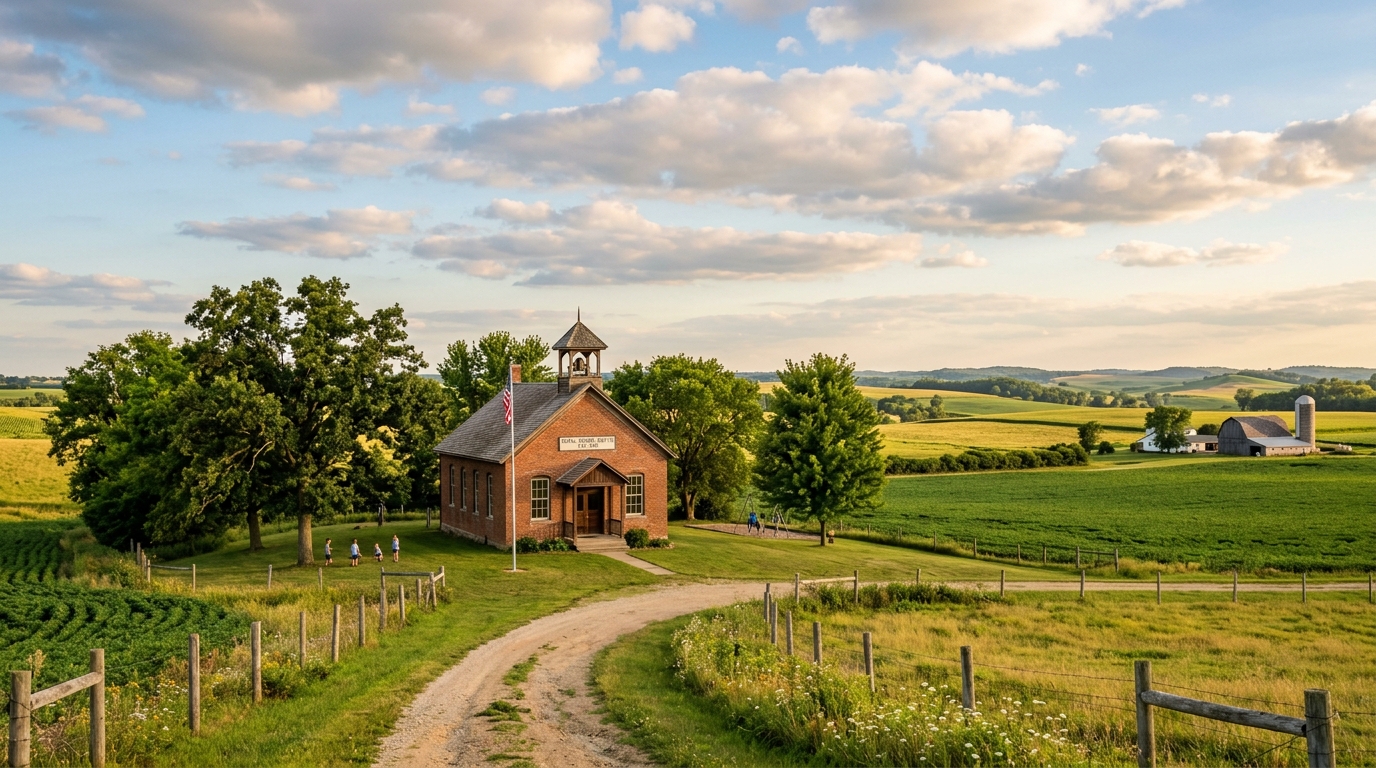
Every school in America is required to have a crisis plan. But the crisis plans that work in a suburban district ten minutes from a hospital, a fire station, and a police department are dangerously inadequate for a rural school where the nearest emergency room is 45 minutes away and the volunteer fire department might take 20 minutes to assemble.
Rural crisis planning is fundamentally different because rural reality is fundamentally different. In The Empowered Rural Education Leader, I emphasize that rural leaders cannot simply adopt templates designed for urban settings — they need plans built from the ground up for their specific geography, resources, and community.
The Rural Variables
Crisis planning in rural schools must account for factors that never appear in standard planning guides:
Distance from Emergency Services
The single biggest variable is response time. In many rural communities, the nearest ambulance is stationed 30 or more minutes away. Law enforcement might be a county sheriff who covers 600 square miles with three deputies. The fire department is volunteer, which means response depends on who is available when the call comes in.
This means the school staff is the first responder. Not in a metaphorical sense — in a literal one. The minutes between a crisis and the arrival of professional help are on you.
Limited Communication Infrastructure
Cell service is unreliable in many rural areas. Landlines may be the only dependable communication. Internet outages during storms are common. Your crisis communication plan needs to work when the primary systems fail.
Weather and Geography
Rural schools deal with weather events that urban schools rarely face: blizzards that close roads for days, flooding that makes bus routes impassable, tornadoes in areas with no public storm shelters. The school building is often the sturdiest structure in the community, which means it doubles as the community shelter during severe weather.
The School as Community Hub
In many rural communities, the school is the only public building with a large gathering space, a commercial kitchen, backup power, and organized staffing. During community-wide emergencies, the school becomes the command center by default. Your crisis plan needs to account for serving not just students but the entire community.
Building a Rural-Specific Crisis Plan
1. Know Your Response Times
Do not guess — measure. Time how long it takes for an ambulance, a deputy, and a fire truck to reach your building from their stations during a normal day. Then plan for delays during bad weather or when the volunteer department is short-staffed.
Share this information with your staff. When everyone understands that help is 25 minutes away, they take first aid training and crisis protocols more seriously.
2. Train Beyond the Basics
Every school does lockdown and fire drills. Rural schools need to go further:
- Trauma response. Have multiple staff members trained in Stop the Bleed and advanced first aid. Not just the nurse — every building should have at least five people who can manage a serious injury.
- Severe weather response. If your building is the community shelter, you need a plan for receiving community members during a tornado warning while also managing students.
- Extended isolation. Plan for scenarios where your school is cut off — roads flooded, power out, no communication. Stock supplies for 24 to 48 hours.
3. Build Relationships with First Responders
In rural areas, your first responders are your neighbors. Invite the volunteer fire chief to walk the building annually. Give the county sheriff a key and a building map. Host a joint training exercise at least once a year. When a crisis hits, these relationships become lifelines.
I discussed the importance of community relationships in crisis planning on the Rural Education Leaders podcast — in a rural community, the people who respond to your emergency are the same people whose kids are in your classrooms.
4. Communication Redundancy
Your crisis communication plan needs at least three layers:
- Primary: phone system and email
- Secondary: text/SMS alert system
- Tertiary: physical runners and a designated radio channel shared with local emergency services
Test all three regularly. The system that fails during a drill will fail during a crisis.
5. Mental Health Response
Rural communities experience crises differently because of the interconnectedness of small-town life. When something happens, everybody knows everybody involved. The emotional impact radiates through the entire community.
Have a mental health response plan that includes not just students but staff and families. Identify counselors in neighboring communities who can be called in, because your school counselor — if you have one — will be affected too.
The R.U.R.A.L. framework in The Empowered Rural Education Leader stresses that crisis preparedness is not a separate plan — it is woven into the relational fabric of the school and community.
"In rural America, the school is not just where children learn — it is where the community shelters, gathers, and heals." — Dr. Will Darter
Crisis planning in rural schools is not about checking boxes on a state form. It is about understanding your community's vulnerabilities and building real capacity to protect the people who depend on you. Find more resources at Rural Education Leaders.
Want the complete framework?
Get “The Empowered Rural Education Leader” for the full guide to transforming your school's leadership.
