How Rural Educators Can Advocate for Better Education Policy
Dr. Will Darter
Rural School Superintendent & Author
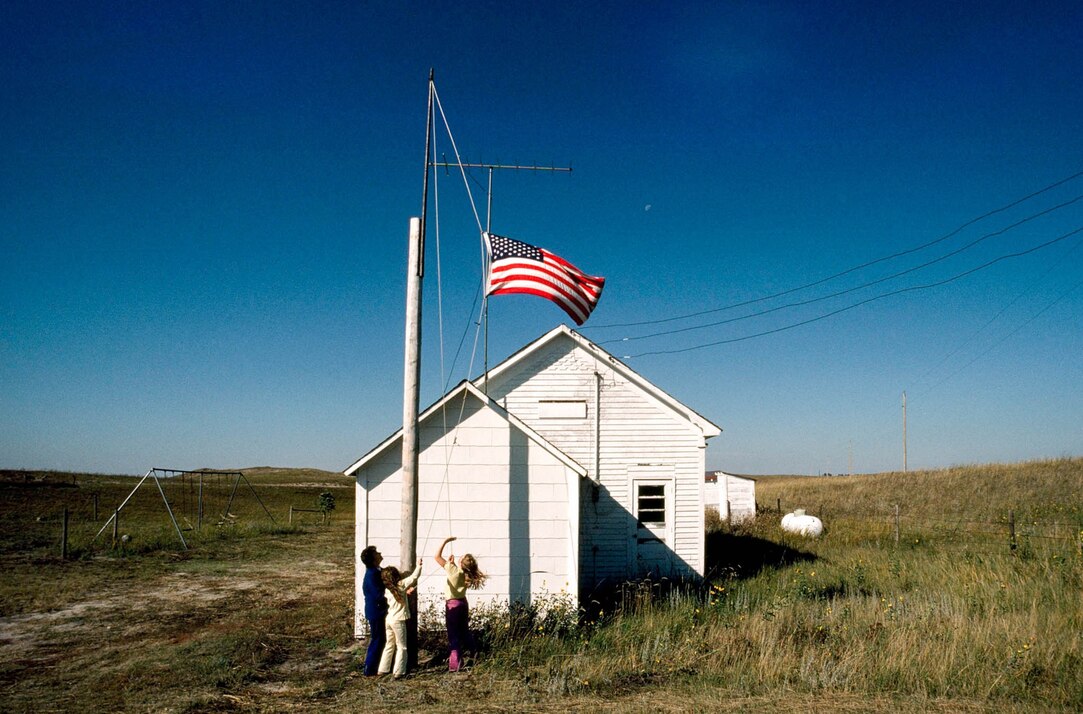
Education policy in America is largely shaped by urban and suburban perspectives. The legislators who write funding formulas, the think tanks that design accountability systems, and the philanthropists who fund education innovation rarely have rural communities in mind.
This is not because they are hostile to rural schools—it is because rural voices are not loud enough at the policy table. That has to change, and it starts with rural school leaders stepping into the advocacy arena. I challenge leaders to embrace this role in The Empowered Rural Education Leader.
Why Rural Advocacy Matters
- Funding formulas often disadvantage rural districts by failing to account for transportation costs, geographic isolation, and the higher per-pupil costs of small schools
- Accountability systems designed for large districts create compliance burdens that consume scarce rural administrative capacity
- Teacher certification requirements can be inflexible for districts that need creative staffing solutions
- Technology mandates assume infrastructure that does not exist in many rural areas
Becoming an Effective Advocate
Build Relationships With Legislators
Your state legislators need to hear from rural educators regularly—not just during crises. Invite them to visit your school, attend an event, or shadow you for a day. Personal relationships with policymakers are the most powerful advocacy tool. In my conversation with Justin Pickens, we explored how rural leaders can build political capital without becoming political.
Use Data and Stories Together
Legislators respond to data, but they remember stories. When advocating for funding changes, bring both: "Our transportation costs consume 18% of our budget" is compelling. "Our bus routes cover 400 miles every morning so students can access an education" is unforgettable.
Join Coalitions
Individual districts have limited influence. But when rural districts organize into coalitions—through state superintendent associations, rural education advocacy groups, or regional cooperatives—their collective voice carries real weight.
Engage Your Community
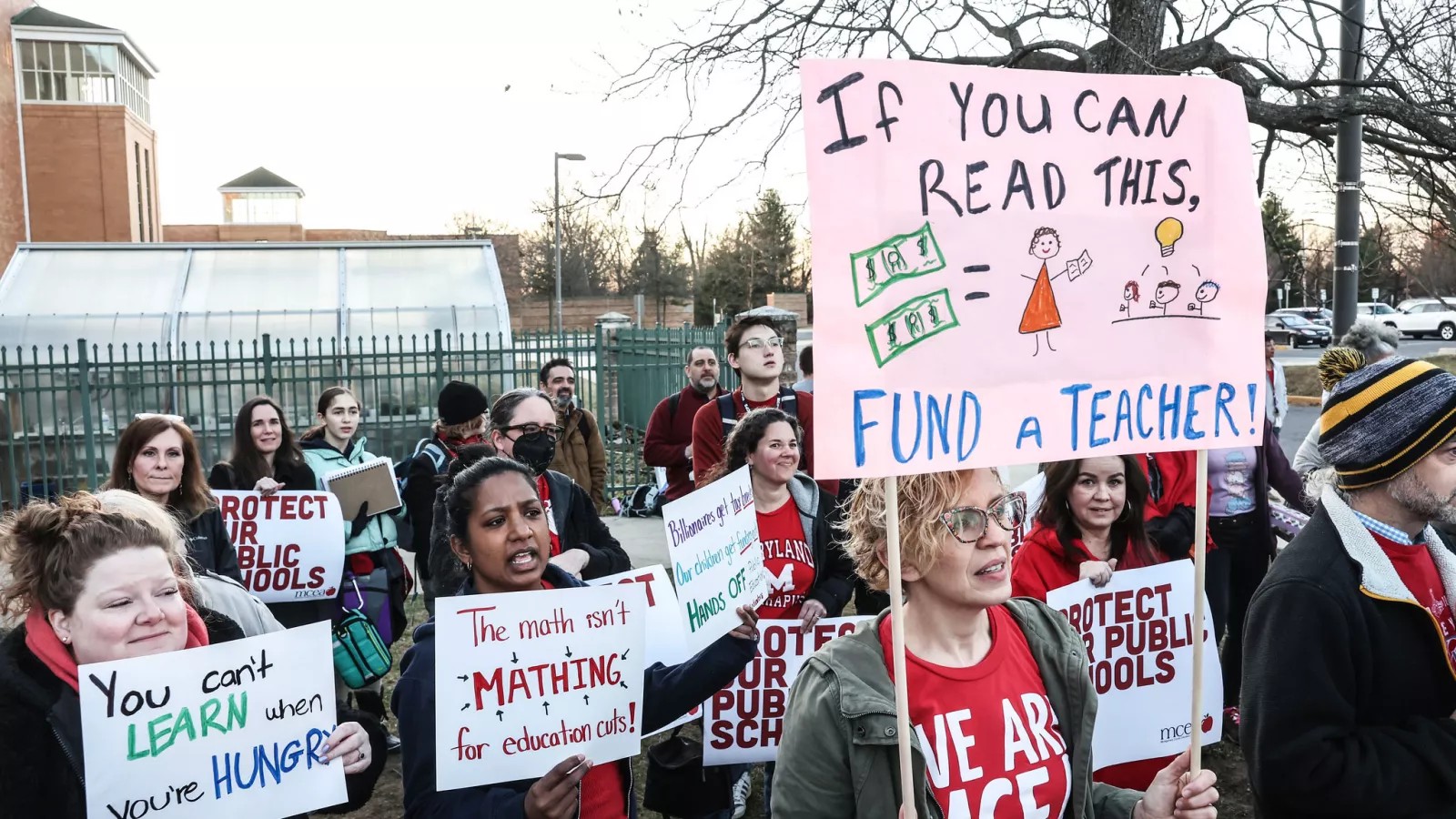
When the community rallies behind an education policy issue, legislators listen. Help your community understand how policy decisions affect their children and their school. Equip them with talking points and clear calls to action.
Be Persistent and Patient
Policy change is slow. The advocate who shows up consistently over years is far more effective than the one who shows up angry once. Build a reputation as a constructive, informed voice for rural education.
"If rural educators do not advocate for their communities, no one else will. We must be the voice at the table—or we will be the afterthought." — Dr. Will Darter
Join the movement for rural education leadership at Rural Education Leaders.
Want the complete framework?
Get “The Empowered Rural Education Leader” for the full guide to transforming your school's leadership.