Alternatives to Rural School Consolidation: Keeping Small Schools Alive
Dr. Will Darter
Rural School Superintendent & Author
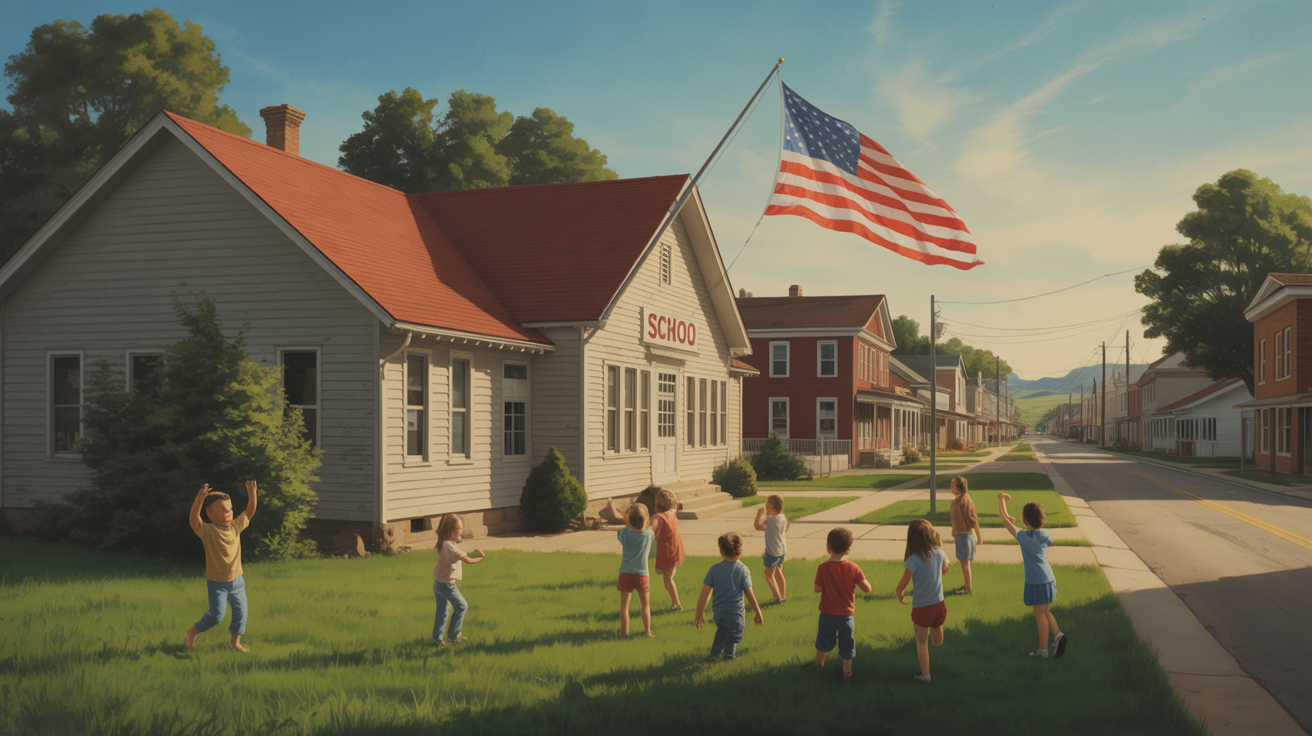
Few words strike more fear in a rural community than "consolidation." When a school closes, the community loses far more than a building—it loses its identity, its gathering place, and often its economic anchor. Young families stop moving in. Property values decline. The community begins a slow fade.
Yet declining enrollment and fiscal pressure make the consolidation conversation unavoidable in many rural districts. The question is not whether to have the conversation, but whether we are creative enough to find alternatives. This is a core theme of The Empowered Rural Education Leader.
Why Consolidation Often Fails to Deliver
Research consistently shows that the promised savings from consolidation rarely materialize as expected:
- Transportation costs increase dramatically when students travel farther
- Economies of scale are smaller than projected because rural fixed costs remain high
- Student outcomes do not consistently improve—and sometimes decline—in larger consolidated schools
- Community economic impact is devastating and lasting
Viable Alternatives
Shared Services Without Merging
Districts can share superintendents, business managers, special education coordinators, and other specialists without merging governance or identity. These arrangements reduce administrative overhead while preserving local control.
Virtual Course Partnerships
Instead of arguing that a small school cannot offer enough courses, expand the catalog virtually. Share teachers between buildings via distance learning. A Spanish teacher in one district can teach students in three neighboring districts simultaneously. In my conversation with Justin Pickens, we discussed how virtual partnerships are giving small schools new life.
Regional Cooperative Models
Educational cooperatives that pool resources for professional development, purchasing, technology, and specialized programs allow small districts to access big-district resources without losing autonomy.
Community School Models
Transform the school into a genuine community hub—offering adult education, healthcare access, social services, and community programming. When the school serves the whole community, support for maintaining it broadens dramatically.
Innovation and Niche Programming
Some small schools have survived and thrived by developing distinctive programs—outdoor education, agricultural science, place-based learning, or STEM academies—that attract students from beyond district boundaries.
"Before we close a rural school, we owe it to that community to exhaust every creative alternative. The school is often the last institution standing." — Dr. Will Darter
Explore more strategies for strengthening small schools at Rural Education Leaders.
Want the complete framework?
Get “The Empowered Rural Education Leader” for the full guide to transforming your school's leadership.