Rural Schools Don't Need Fixing — They Need Funding
Dr. Will Darter
Rural School Superintendent & Author

Every few years, a new education reform movement sweeps through America. New standards. New assessments. New accountability systems. New programs that promise to fix what is broken in our schools.
And every time, rural schools are lumped in with the "broken" category — as if the problem with a 150-student district in the Missouri Ozarks is the same as the problem with a 150,000-student district in a major city.
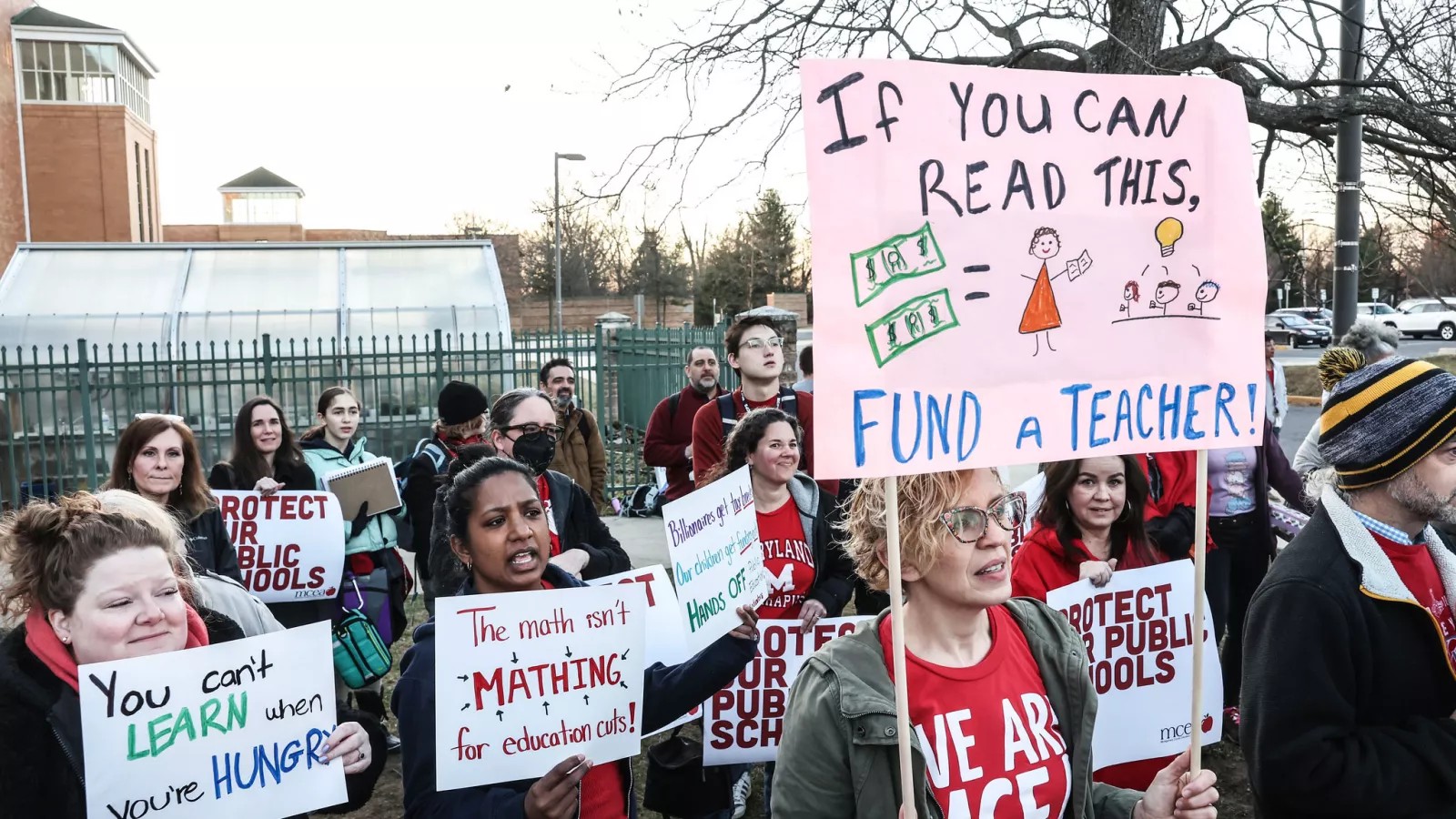
It is not. Rural schools are not broken. They are starved.
I wrote The Empowered Rural Education Leader because I believe rural educators deserve better than being treated as problems to be solved. They are professionals doing extraordinary work under conditions that most education policymakers have never experienced and cannot imagine.
The Fixing Fallacy
The dominant reform narrative assumes that when student outcomes are not where they should be, the school is doing something wrong. The curriculum is outdated. The teaching is ineffective. The leadership is weak.
Sometimes that is true. But in most rural schools, the issue is not what is happening inside the building — it is what is not arriving at the front door. Specifically:
- Money. State funding formulas routinely shortchange rural districts. Formulas based on enrollment punish small schools. Formulas based on property values punish communities where the tax base is agricultural.
- People. There are not enough teachers willing to work in rural areas, and the ones who are willing often leave because the pay gap with suburban districts is too wide.
- Infrastructure. Broadband access remains spotty. Buildings are aging. Technology is outdated — not because leaders made bad choices, but because there was never enough money to make good ones.
What the Data Actually Shows
When you control for funding levels, rural schools perform as well as or better than their suburban and urban peers. That is the finding that nobody in the reform world wants to talk about.
Rural students in adequately funded districts graduate at higher rates, attend college at competitive rates, and demonstrate civic engagement that outpaces national averages. The problem is not the schooling — it is the systematic underfunding that limits what those schools can do.
I discussed this reality on the Rural Education Leaders podcast — when rural schools get a fair shot at funding, they do not just compete, they lead.
Where the Funding Gaps Are
Teacher Compensation
The average rural teacher salary trails the national average significantly. In some states, the gap is over $10,000 per year. That is not a rounding error — it is the difference between keeping a great teacher and losing them to the district 40 miles down the highway.
Facilities
Rural school buildings are, on average, older than urban and suburban buildings. Deferred maintenance is not a choice — it is a consequence of budgets that force leaders to choose between fixing the roof and buying textbooks.
Technology
The homework gap — students who cannot complete digital assignments because they lack home internet — disproportionately affects rural communities. Schools have picked up the slack with hotspot lending programs and extended library hours, but those are band-aids, not solutions.
Special Services
Rural students need speech therapists, school psychologists, occupational therapists, and counselors just like every other student. But the cost of providing those services in a small, geographically isolated district is dramatically higher per pupil. Itinerant providers, telehealth services, and shared-service agreements help, but they are not substitutes for adequate funding.
What Needs to Change
The R.U.R.A.L. framework in The Empowered Rural Education Leader emphasizes advocacy as a core responsibility of rural leadership. Here is what rural leaders should be demanding:
1. Weighted funding formulas that account for geographic size, transportation costs, and the fixed costs of operating small schools. 2. Broadband investment that treats internet access as essential infrastructure, not a luxury. 3. Teacher pipeline programs that recruit and prepare educators specifically for rural placements, with loan forgiveness and housing incentives. 4. Flexible compliance standards that recognize that a 150-student district cannot implement mandates the same way a 15,000-student district can.
"Stop trying to fix rural schools. Start funding them. The people inside those buildings already know what to do." — Dr. Will Darter
Rural schools are not the problem. They are proof of what dedicated educators can accomplish when they refuse to let funding define their students' futures. Learn more at Rural Education Leaders.
Want the complete framework?
Get “The Empowered Rural Education Leader” for the full guide to transforming your school's leadership.