Solving Rural School Transportation Challenges
Dr. Will Darter
Rural School Superintendent & Author
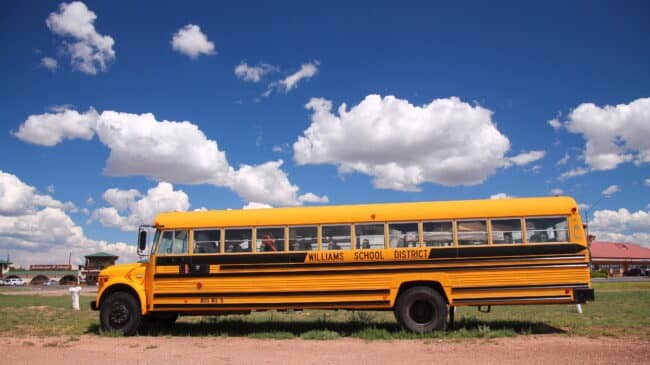
Transportation is the invisible infrastructure of rural education. Before a single lesson is taught, thousands of rural students must travel distances that their urban peers cannot imagine. Bus routes that cover 50, 80, or even 100 miles one way are not unusual.
This creates a financial, logistical, and equity challenge that affects everything from the school schedule to the operating budget. Transportation is one of the hidden complexities of rural leadership I address in The Empowered Rural Education Leader.
The Scope of the Challenge
- Budget impact: Transportation can consume 15-20% of a rural district's total budget
- Time cost: Some rural students spend 90 minutes or more on a bus each day
- Extracurricular access: Long travel times limit students' ability to participate in after-school activities
- Driver shortages: Finding and retaining qualified bus drivers is a chronic challenge
- Maintenance costs: Rural roads are hard on buses, increasing maintenance and replacement expenses
Strategies for Managing Transportation
Optimize Routes With Technology
Route optimization software can reduce total miles driven, saving fuel and time. Even modest improvements in routing efficiency produce meaningful savings over a school year.
Consider Four-Day School Weeks
An increasing number of rural districts are adopting four-day school weeks, which eliminates one full day of transportation costs per week. Research suggests minimal academic impact when instructional time is preserved through longer daily schedules. In my conversation with Justin Pickens, we explored the pros and cons of the four-day model.
Partner With Community Organizations
Some districts have found creative partnerships for transportation—sharing vehicles with community organizations, contracting with local transit agencies, or using parent volunteer drivers for extracurricular events.
Advocate for Equitable Funding
Transportation funding formulas in many states do not adequately reflect rural realities. Document your actual costs, compare them to state averages, and advocate for formula adjustments that recognize geographic challenges.
Invest in Your Drivers
Bus drivers are often the first school employee students see each day and the last they see each afternoon. Treat drivers as the essential team members they are—include them in staff development, celebrate their contributions, and compensate them fairly.
"A rural bus driver is not just a driver—they are a counselor, a safety officer, and sometimes the most stable adult in a child's morning. Honor that role." — Dr. Will Darter
Learn more about leading through rural challenges at Rural Education Leaders.
Want the complete framework?
Get “The Empowered Rural Education Leader” for the full guide to transforming your school's leadership.