Building a Shared Community Vision in Rural Schools
Dr. Will Darter
Rural School Superintendent & Author
One of the greatest advantages rural school leaders have is proximity. In a small community, the superintendent is not a distant figure in a central office—they are a neighbor, a fellow church member, a face at the Friday night football game. This proximity is a powerful tool for building shared community vision.
When I first became a superintendent in a small Missouri district, I quickly realized that the most effective way to lead was not from the top down, but from the inside out. The community needed to feel ownership of our school's direction, not just be informed about it. I discuss this principle at length in The Empowered Rural Education Leader.
Start With Listening
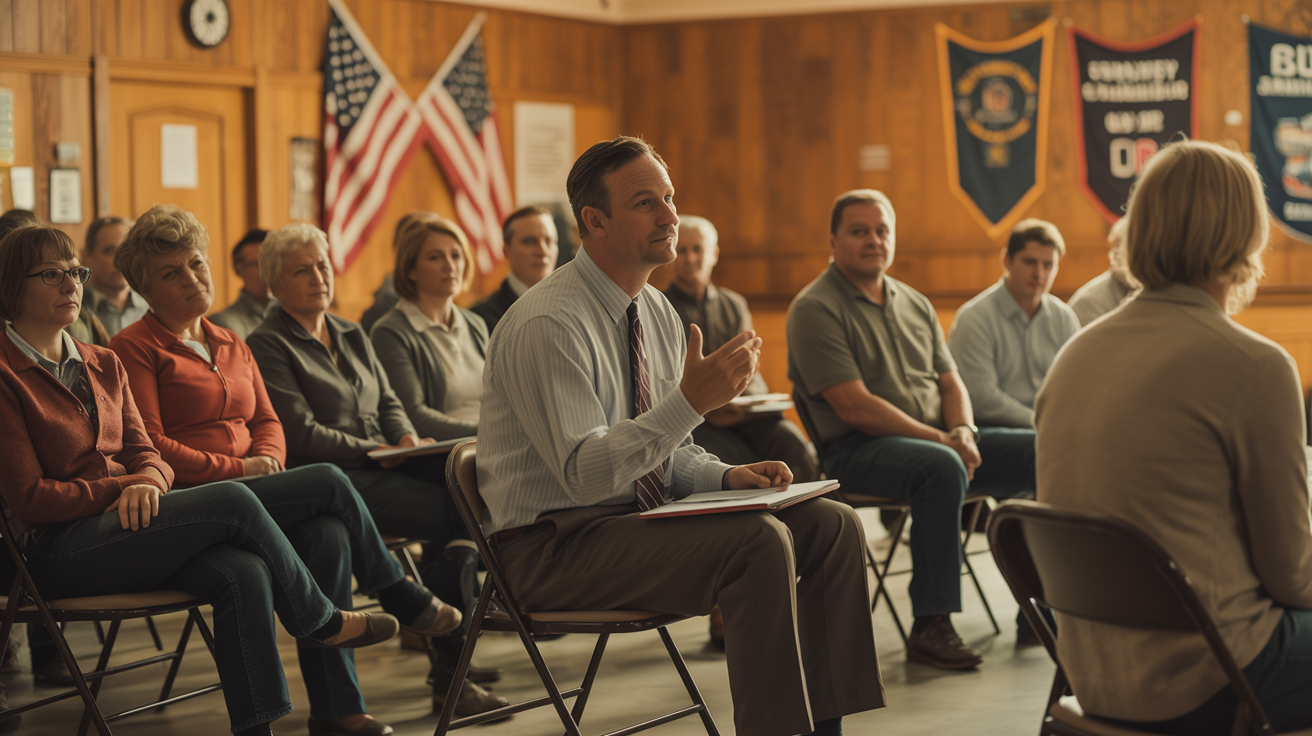
Before you can build a shared vision, you have to understand what people value. Host informal gatherings—coffee with the superintendent sessions, community forums at the local library, or even conversations at the feed store. Ask open-ended questions: What do you love about our school? What worries you? What do you dream our graduates will become?
These conversations reveal patterns. In rural communities, you will almost always hear themes of pride, resilience, and a desire for their children to have opportunities without having to leave home. In my recent conversation with Justin Pickens, we explored how community listening sessions can transform a district's trajectory.
Translate Values Into Action
Once you have listened deeply, the next step is translating those shared values into concrete goals. This is where the R.U.R.A.L. framework from The Empowered Rural Education Leader becomes essential. Each letter represents a pillar that connects community values to school action:
- R — Relationships and Community Vision
- U — Unified Staff Culture
- R — Responsive Board and Community Relations
- A — Avoiding Burnout and Building Resilience
- L — Leading for Student Success
Making It Stick
A shared vision is not a document that sits in a drawer. It must be woven into every decision, every meeting, every conversation. When you hire a new teacher, connect the interview questions back to the community vision. When you present a budget to the board, show how each line item supports what the community has said matters most.
"The best rural leaders don't impose a vision—they cultivate one from the soil of their community." — Dr. Will Darter
Building a shared community vision takes time, patience, and genuine humility. But in rural America, where trust is earned through consistency and presence, it is the foundation upon which everything else is built. For more strategies and resources, visit Rural Education Leaders.
Want the complete framework?
Get “The Empowered Rural Education Leader” for the full guide to transforming your school's leadership.