Rethinking Parent Engagement in Small Rural Communities
Dr. Will Darter
Rural School Superintendent & Author
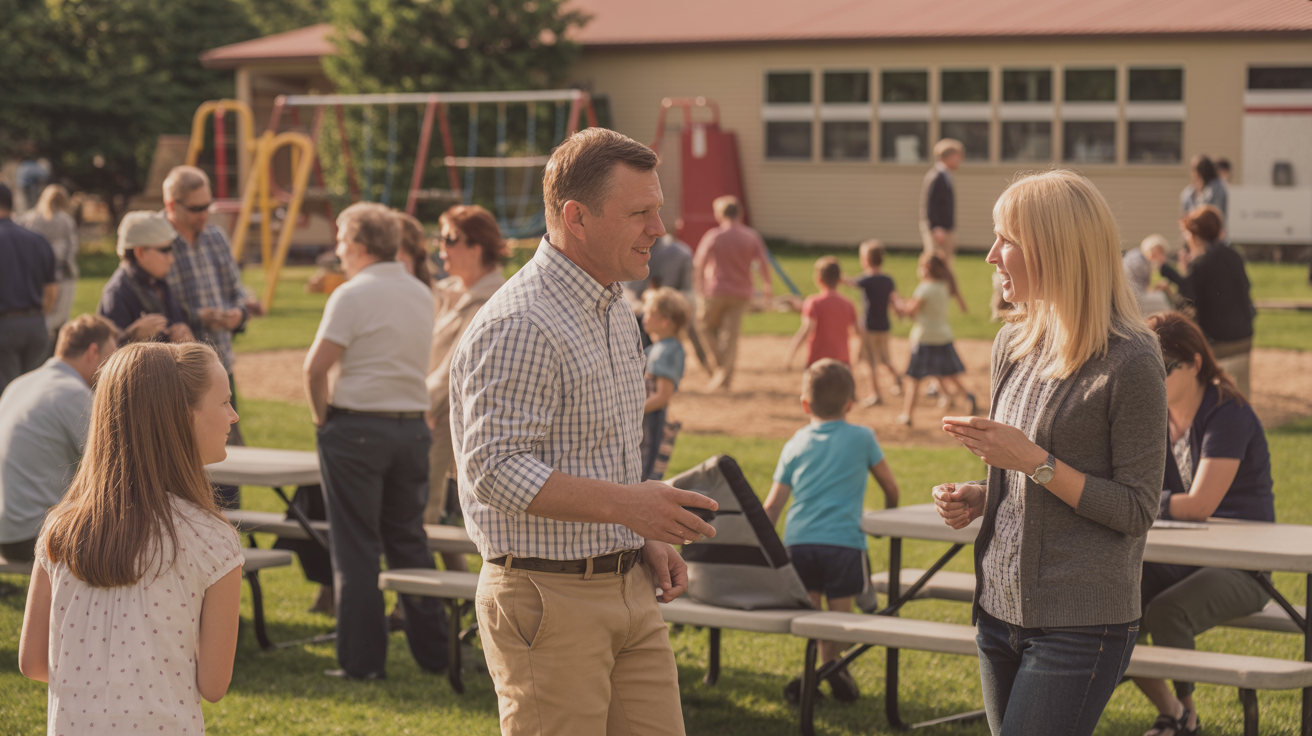
The standard playbook for parent engagement—PTA meetings, volunteer sign-up sheets, curriculum nights—was designed for suburban schools where parents drive minivans and have predictable work schedules. In rural communities, where parents might work shifts at the poultry plant, commute an hour to the nearest city, or juggle seasonal farm work, that model simply does not fit.
Effective parent engagement in rural communities starts with meeting families where they are—literally and figuratively. I discuss this community-centered approach throughout The Empowered Rural Education Leader.
Why Traditional Models Fail
- Work schedules in agriculture, manufacturing, and healthcare do not align with evening meetings
- Transportation barriers make coming to school for events genuinely difficult
- Cultural factors may make some families feel unwelcome in formal school settings
- Historical experiences with education may create distrust or discomfort
A Rural-First Approach
Go to Them
Instead of expecting parents to come to school, bring the school to them. Hold informational sessions at community centers, churches, or local businesses. Set up a table at the farmers market or the Friday night ballgame. Some of the most productive parent conversations I have ever had happened at the gas station.
Use Communication Channels That Actually Reach Families
Not every family checks email. Use a mix of text messages, social media, phone calls, and even paper flyers sent home with students. In many rural communities, the local radio station or church bulletin reaches more people than any app. In my conversation with Justin Pickens, we discussed how rural leaders are finding creative communication channels.
Redefine What Engagement Looks Like
A parent who cannot attend a meeting but reads to their child every night is engaged. A grandparent raising a student who shows up to every ballgame is engaged. A farming family that teaches their children work ethic and responsibility is engaged. Honor these forms of involvement.
Build Trust Through Consistency
In small communities, trust is built over time through consistent, authentic interactions. Show up at community events. Be visible and approachable. Follow through on every promise.
"In rural education, parent engagement is not about getting families to come to us—it is about showing up in their world." — Dr. Will Darter
For more community-centered leadership strategies, visit Rural Education Leaders.
Want the complete framework?
Get “The Empowered Rural Education Leader” for the full guide to transforming your school's leadership.